
Prevent Underage Drinking
Alcohol on the Brain
Teenagers experience intricate developmental transformations, particularly within their brains, as they grow. The extensive alterations in how the brain is structured and operates—lasting until a person reaches their mid-20s—foster the cognitive, emotional, and social abilities essential for adolescents to succeed and flourish. The pace of these significant changes might also heighten the adolescent brain's sensitivity to alcohol exposure.
Harmful and Underage College Drinking
Some students arrive at college with pre-existing drinking patterns, and the college setting can exacerbate the issue. As reported by the 2023 National Survey on Drug Use and Health (NSDUH), 49.6% of full-time college students aged 18 to 25 consumed alcohol, while 29.3% participated in binge drinking in the previous month.
Underage Drinking Risks
Underage Drinking Risks Alcohol is the most common drug used by people younger than 21 in the United States. Young people who drink alcohol are more likely to develop certain physical and mental health conditions.
Safety Over Silence - Home is a Safe Space to Talk
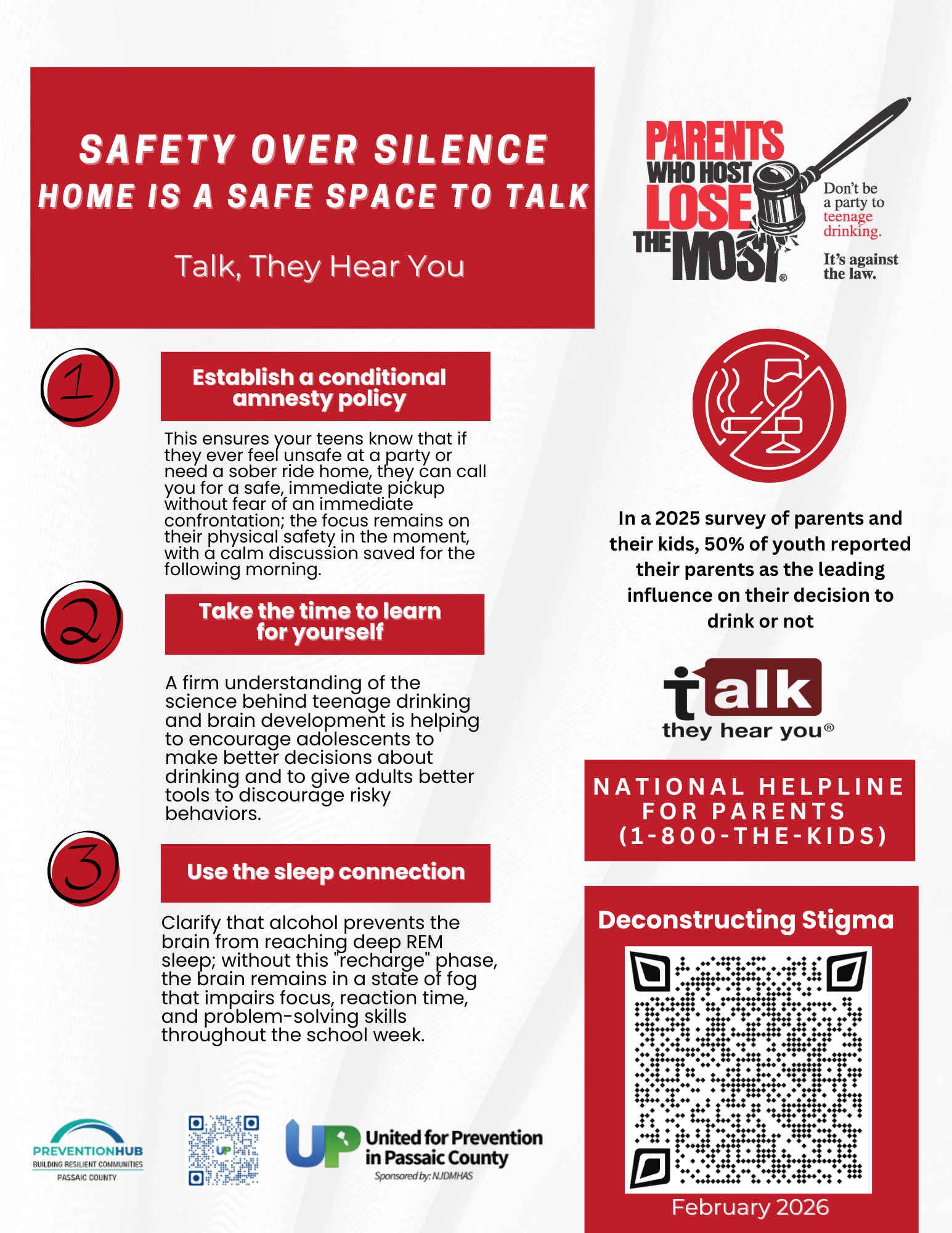
Establishing a "Conditional Amnesty" policy prioritizes a teen's immediate safety over confrontation, ensuring they feel secure calling for a ride home without the fear of an instant lecture. This approach uses the science of brain development to empower better decision-making, specifically by highlighting how alcohol disrupts the deep REM sleep required for a cognitive "recharge." Without this vital rest, students are left in a mental fog that impairs the focus, memory, and problem-solving skills necessary for academic success throughout the school week.
It Starts With You - The Influence That Protects
To reduce the risks associated with underage drinking—which can cause lasting damage to the still-developing adolescent brain—teens should be equipped with practical exit strategies, such as practicing refusal skills and having a pre-arranged "no-questions-asked" ride home from a trusted adult. Because early alcohol use often leads to poor decision-making and long-term health issues, proactive parental involvement is essential. By maintaining non-judgmental communication, setting clear expectations, and coordinating with other parents in the community, adults can create a robust safety net that empowers teens to navigate social pressures and make healthier choices.
.png)
Be Their Shield : Talk, Guide, Lead
Preparing teens ahead of time by talking through “what if” situations builds confidence before they’re faced with real-life pressure, especially when families also set a clear safety plan that includes a no-questions-asked ride home. Everyday media—TV shows, videos, and social posts—can be used to naturally start conversations about alcohol, risky behavior, and the long-term impact of what teens share online. Honest stories from trusted older teens or adults often leave a stronger impression than repeated warnings. When parents work together to align expectations, they create a consistent community message that supports healthier decisions.
.png)
Lead the Way, Set the Standard, Stay Connected
Teens who know their parents disapprove of underage drinking are significantly less likely to drink, and clear family rules can reduce the risk of early alcohol use by 40% or more. More than 80% of teens say their parents’ attitudes shape their own decisions, showing just how much your guidance matters. Your behavior also speaks louder than words, so modeling the healthy choices you want your teen to make reinforces those expectations. When parents talk openly and stay connected, they create a united front that shows teens their community shares the same standards and helps prevent underage drinking.
.png)
Influence That Lasts a Lifetime
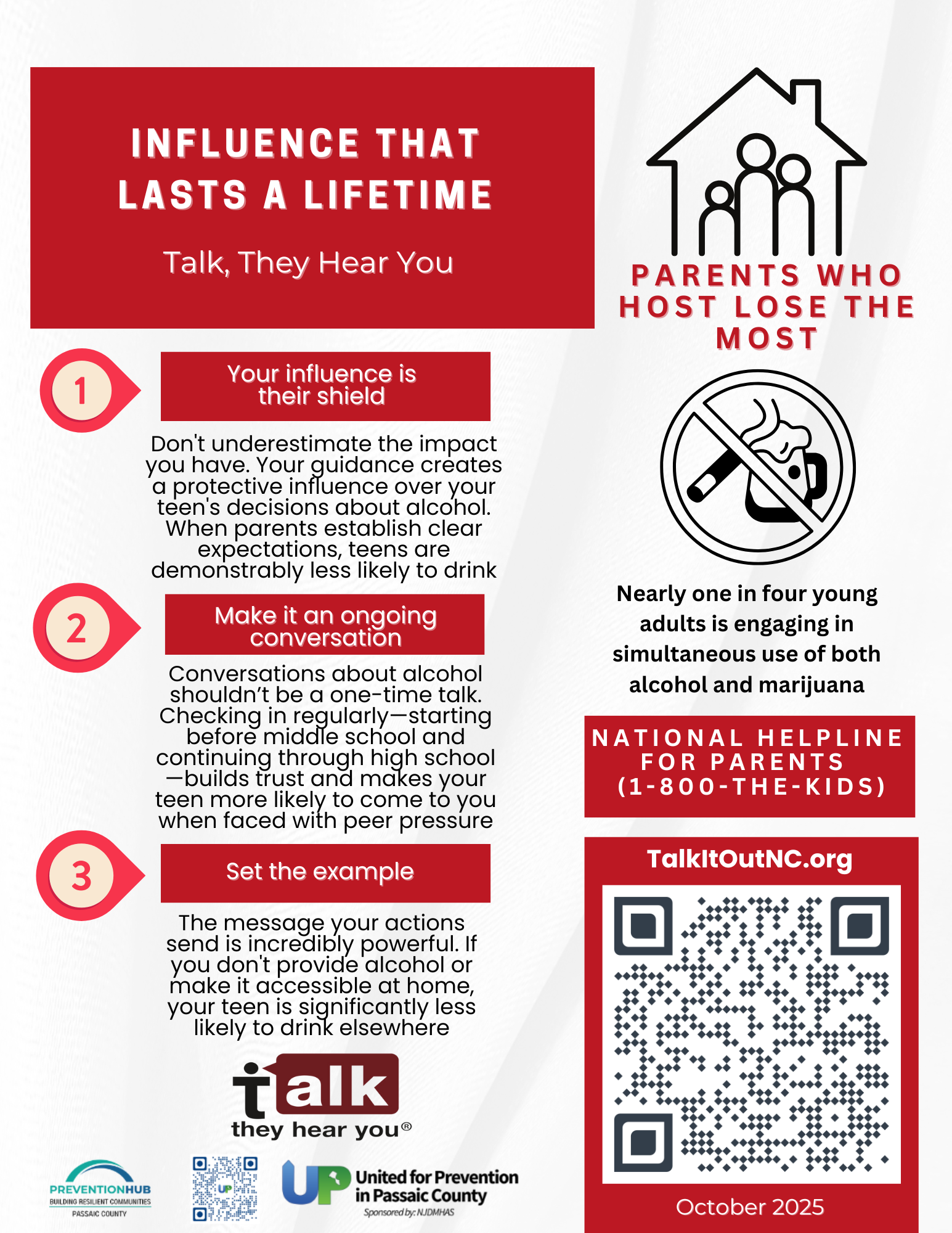
Don’t underestimate the influence you have—your guidance plays a powerful role in shaping your teen’s choices about alcohol. Research shows that when parents set clear expectations and model responsible behavior, teens are far less likely to drink. Ongoing conversations, starting before middle school and continuing through high school, build trust and keep communication open when peer pressure arises. By not providing or making alcohol accessible at home, you send a strong message that safety and responsibility come first.
Be the Guide They Trust, Not the Voice They Tune Out
When parents choose not to provide alcohol at teen gatherings and keep alcohol secured at home, they send a clear message that safety and responsibility come first. Teens who feel connected to their parents are less likely to take risks, including underage drinking. By being emotionally available, setting boundaries, and checking in regularly, parents build trust that strengthens healthy decision-making. Clear rules and firm expectations about alcohol use help teens respect boundaries and avoid unsafe situations.
.png)
Build Trust, Reduce Risk One Talk At A Time
Teens are more likely to make safe decisions when parents clearly communicate expectations and listen without judgment. Open, honest conversations foster mutual respect and help reduce risky behaviors. Allowing underage drinking at home not only poses serious legal risks—including fines and criminal charges—but also endangers teens' health and safety. By modeling responsible behavior, especially around alcohol, parents teach teens how to make smart, safe choices.
.png)
Real Talk, Real Impact It Starts With You
Set clear rules and expectations around underage drinking, and consistently enforce fair consequences when those rules are broken. Let your child know that drinking is unacceptable in your family. Prioritize your role as a parent over being a friend by getting to know your child's friends and their families, and understanding the standards they follow. Finally, keep your teen engaged during after-school and evening hours with structured, adult-supervised activities that reduce the risk of alcohol use.
.png)
Your Words Matter, Make Your Talk Count
Teens with emotionally available caregivers are more open, show less secrecy, and have stronger emotional regulation, making them less likely to give in to peer pressure or use alcohol to cope or seek excitement. Staying involved—knowing where your teen is and what they’re doing—also helps, as teens are less likely to take risks if they think a parent might check in. Fostering open communication by casually asking about school, friends, and future plans, and being informed about the risks of underage drinking, helps create a trusting relationship where important topics can be discussed openly.
.png)
Secure Beginnings, Safe Futures
When teens feel respected and not dismissed, they are more likely to engage in conversations about sensitive issues such as peer pressure, alcohol use, and mental health. Starting discussions about alcohol around age 9 is crucial, as children begin forming perceptions about drinking at this age . Regular, brief conversations are more effective than a single, extensive talk, as they help reinforce messages and keep lines of communication open . It's important to explain that alcohol impairs judgment and coordination, and that underage drinking can harm brain development . By fostering open, honest, and age-appropriate discussions early on, parents can equip their children with the knowledge and confidence to make safe choices.

Empathy, Not Judgment Talking Saves Lives
Ongoing conversations between parents and teens are key to preventing underage drinking. Teens who feel they can talk openly with their parents are 42% less likely to engage in risky behaviors like drinking and smoking. Open communication helps teens better handle peer pressure and make safer choices. Strong parent-child communication also leads to a 40% lower chance of alcohol misuse and 50% lower risk of binge drinking. These numbers show the power of empathy and listening. Consistent, supportive dialogue truly makes a difference.
.png)
Your Voice Matters Start the Conversation
Actively listening to children is essential for building trust and supporting their well-being. It’s important to work together to ensure they are where they say they are and to prevent risky behaviors, such as underage drinking. Teens might feel tempted to explore the liquor cabinet or beer fridge, so stay alert for missing bottles, low levels, or suspiciously diluted drinks. Open conversations and clear expectations can help guide them toward making safe choices. For more information on these critical topics, download and scan the QR code on the flyer to access Operation Parent.
.png)
Breaking the Silence Building Understanding
Parents play a crucial role in shaping their children's attitudes toward alcohol, and regular, open conversations can significantly reduce the likelihood of underage drinking. Creating a non-judgmental and empathetic environment where children feel heard and supported fosters trust and encourages honest discussions. Research shows that teens who learn about the dangers of alcohol from their parents are 50% less likely to drink, highlighting the importance of parental guidance. By maintaining ongoing dialogue and setting clear expectations, parents can help their children make informed, responsible choices regarding alcohol.
.png)
Prevent Protect Empower
The “Talk. They Hear You.” initiative seeks to decrease underage drinking and the use of other substances in individuals under 21 by equipping parents and caregivers with the necessary information and resources to discuss these matters with their children frequently and early on.
